Wool as a natural fiber offers unique properties that make it suitable for a variety of textile applications, including bedding and comfort items. Its structure provides excellent moisture management, temperature regulation, and durability, helping to maintain a comfortable sleeping environment. Understanding wool's growth, processing, and end-use implications enhances material selection for educational and practical purposes.
This category highlights wool’s versatility in household textiles such as bedding, pillows, comforters, and toppers. Wool fibers trap air for insulation while still allowing breathability, which can contribute to a balanced sleep climate. We explore fiber blends, density, and weave patterns that influence softness, loft, and material longevity.
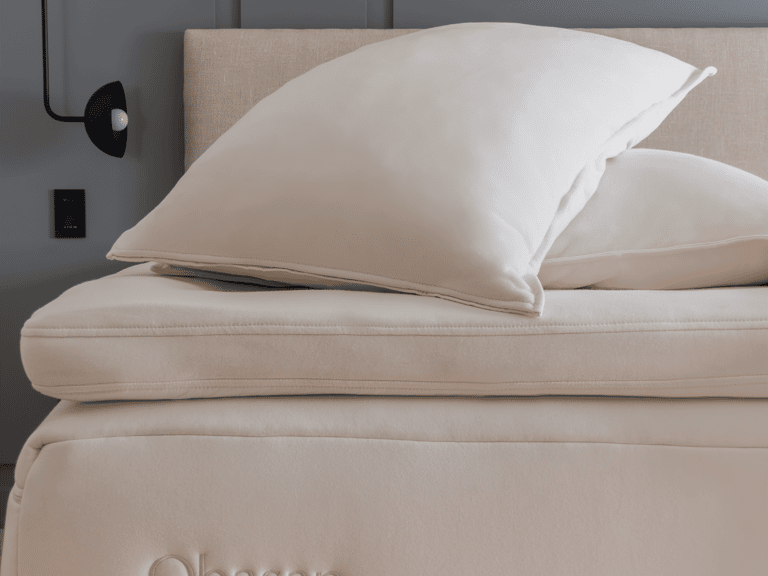
Key products include the Obasan Organic Wool Pillow, which emphasizes naturally sourced materials and minimal processing to preserve wool’s innate properties. The pillow’s structure supports head and neck alignment while offering moisture-wicking performance and resilience over time. Organic certifications often indicate reduced chemical exposure during production.
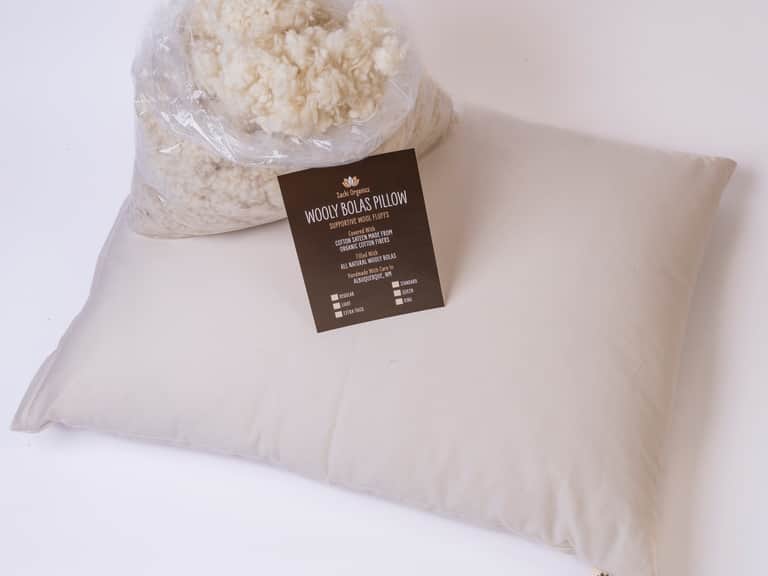
Another representative item is the Wooly Bolas Pillow, designed to provide supportive comfort with wool’s adaptive loft. Its features may include temperature regulation, humidity management, and a surface that resists flattening with regular use. Understanding this pillow’s construction helps evaluate suitability for diverse sleep preferences and setups.
In the broader context of wool bedding, the material’s natural flame resistance, elasticity, and scent-profile can influence comfort and maintenance considerations. Knowledge of care guidelines, cleaning methods, and environmental impact supports informed decisions about selecting wool-based bedding, pillows, and toppers for sustainable, long-term use.
 Bedding