Introduction: Why Wool Toppers Matter
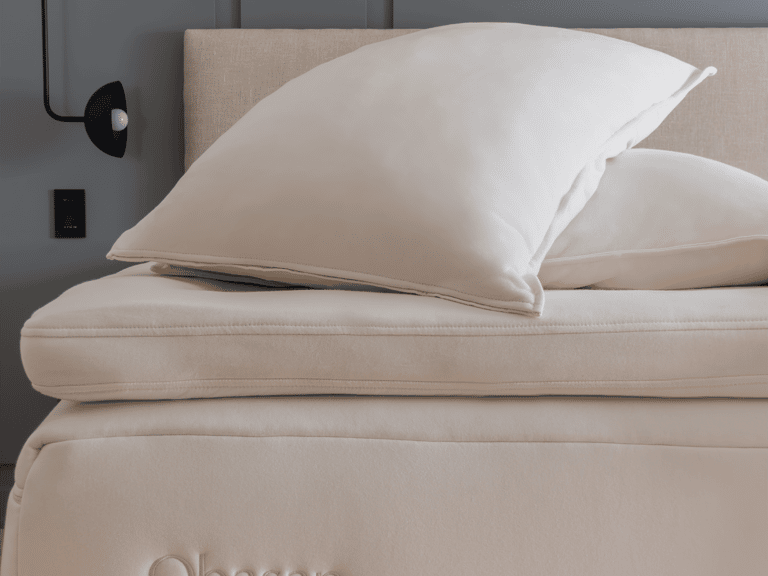
In the quiet rituals of the night, the bed becomes a landscape of temperature and texture. A wool mattress topper sits between you and the mattress like a soft, responsive map—an intelligent intermediary layer that softens pressure, wicks away moisture, and breathes with the body. Wool possesses a constellation of properties that makes it unusually well suited to the modern bedroom: natural insulation that traps warmth when it’s cold, moisture-management that keeps you dry when the room steams, and a loft that recovers after every night’s use. These traits aren’t mere conveniences; they are a promise of steadier sleep, a steadier microclimate, and a gentler touch on the skin.
This guide does not seek to sanctify wool as a panacea for all bedding woes. Instead, it offers a careful, grounded look at how wool toppers work, what to consider when choosing one, and how to care for them so their comforting properties endure for years. Think of it as a companion piece to the broader world of wool textiles—an editorial-tinted, no-nonsense resource for anyone curious about the science and craft behind a warmer, drier night’s sleep.
Material considerations: types, weights, and blends
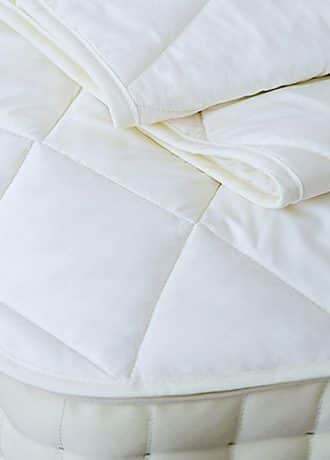
Wool toppers come in a spectrum of weights and constructions, each with its own rhythm of warmth, breathability, and resilience. At a high level, you will encounter two broad categories: pure wool toppers and blended toppers. Pure wool toppers rely on the inherent properties of wool—lanolin-containing fibers that manage moisture, a natural crimp that creates loft, and a structure that resists compressive flattening. Blends may pair wool with cotton, silk, or synthetic fibers to alter feel, durability, or price point.
Within pure wool toppers, weight is the most obvious point of differentiation. Lighter toppers (often labeled in the 400–600 g/m² range, though measurements vary by producer) tend to deliver a subtle lift and a gentle thermal boost—ideal for milder climates or for those who sleep warm yet crave a touch of cushioning. Heavier toppers (600 g/m² and above) bring more pronounced loft and insulation, suitable for cooler bedrooms, people who sleep cold, or those who prefer a mattress that already carries a bit more body warmth.
The weave and finishing of the topper influence air movement as well. A wool layer that is densely packed will provide more warmth but may restrict airflow compared with a looser weave that invites breathability. Independent of weight, a well-tended wool topper will maintain loft through careful handling and regular airing.
Climate considerations: matching topper to room and sleep style
The climate inside your bedroom should guide your choice. If your space runs hot or you favor a cooler sleep environment, a lightweight wool topper may be the right companion, offering moisture-wicking comfort without excessive heat retention. For those in colder rooms or who tend to sleep with the sheets tucked up around the neck, a larger loft wool topper can become a practical heat reservoir. Wool’s natural ability to regulate humidity reduces the sensation of stickiness that often accompanies high-sleep temperatures.
Another factor is your mattress type. A firmer, higher-density mattress benefits from a topper that adds a forgiving contour without sacrificing support. Conversely, a softer mattress can be enhanced by a wool layer that elevates the sleeping surface and distributes weight more evenly. In both cases, the result is less pressure buildup at key contact points, potentially easing those niggling aches that appear as dawn approaches.
Care and longevity: preserving loft and performance
Caring for a wool mattress topper is a ritual of preservation rather than a chore. Wool fibers resist wrinkling and rebalance their loft with regular airings. When it comes time for deeper cleaning, the goal is to avoid aggressive washing cycles that can compress the fibers or introduce unwanted chemicals into the interior of the topper.
Practical steps include airing the topper outdoors on a breezy day (away from direct sunlight, which can cause fiber fatigue over long periods), occasionally flipping or rotating the topper to ensure even wear, and spot-treating any stains with mild, wool-friendly cleaners. For machine washing, if the producer approves it, use cold water on a gentle cycle, a mild detergent designed for wool, and air drying. High heat can shrink or distort wool, so avoid it unless the care guidelines explicitly permit tumble drying on a low-heat setting.
Odor control is often simpler than expected: a light sprinkle of baking soda on the surface, left for a short period, can neutralize mild scents before a fresh airing. Because wool naturally contains lanolin, it tends to resist absorbing strong odors, but persistence can occur with frequent use in damp environments. In such cases, a careful, targeted approach to cleaning preserves both scent and structural integrity.
Choosing wisely: a practical checklist
- Weight and loft: Consider your climate, sleeping season, and mattress height. If you share a bed, you may prefer a topper with uniform loft to avoid uneven movement sensations.
- Filling material: Pure wool offers natural moisture management and resilience; blends can adjust feel and care needs.
- Construction quality: Look for evenly distributed loft, well-finished edges, and a cover that breathes and is skin-friendly. A wool topper should feel balanced, not bulky, and should recover its shape after compression.
- Care instructions: Align your expectations with the producer’s guidelines. A sound wool topper will spell out clear washing, drying, and airing steps.
- Allergenic considerations: Wool is naturally hypoallergenic for many, but sensitivities exist. Check certifications and dyes used in the topper’s cover layer if you have chemical sensitivities.