Blankets and quilts are layers of bedding that add warmth and comfort while complementing pillows and comforters. Their materials, weight, and construction affect how they feel and perform in different sleeping environments. Understanding these characteristics helps clarify how a blanket can serve as a lightweight cover, an extra insulating layer, or a practical household textile.
Wool is valued in bedding for its natural insulating properties and ability to help regulate temperature. A wool blanket can provide warmth without relying solely on heavy construction, making it useful across changing seasons and indoor conditions. Wool fibers also manage moisture, which may support a comfortable feel during rest or while relaxing at home.
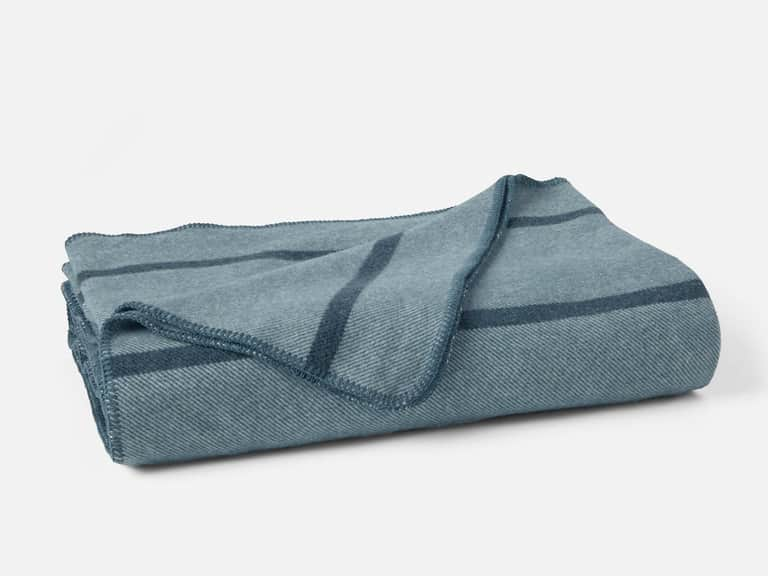
The Tahoe Wool Blanket is a named option in this category, representing wool bedding designed for everyday warmth and versatile use. Its material makes it relevant as a standalone cover or as an additional layer over sheets and beneath a comforter. The blanket’s function depends on its weight and construction, so care instructions and product specifications are useful considerations.
Blankets differ from quilts and comforters in their structure: blankets are generally flexible layers, while quilts and comforters often contain filling held within stitched fabric. Wool comforters provide another form of insulated bedding, whereas wool blankets can be added or removed as needed. These distinctions help people coordinate bedding layers with personal warmth preferences.
When evaluating the Tahoe Wool Blanket and similar wool bedding, consider dimensions, fiber composition, weight, finish, and recommended care. These details help determine suitability for a bed, sofa, travel, or seasonal layering. Comparing blanket specifications with existing bedding, pillows, and comforters can support a comfortable, practical sleep setup without assuming that every wool product performs identically.
 Bedding